










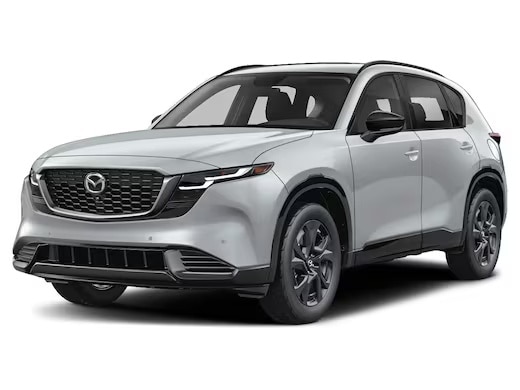
Buying a new vehicle is an exciting experience. From exploring the latest features and technology to enjoying the confidence that comes with a factory warranty, there are many reasons why drivers choose new cars over used models. However, one of the biggest concerns buyers have is depreciation. While all vehicles lose value over time, there are smart strategies that can help reduce the financial impact and protect your investment.
If you're shopping for a new car, understanding depreciation and making informed decisions before you buy can help you get more value from your purchase. Whether you're purchasing your first vehicle or upgrading to a newer model, taking the right approach can make a significant difference in long-term ownership costs.
Understand How Vehicle Depreciation Works
Depreciation refers to the decline in a vehicle's value over time. It begins the moment a new vehicle is driven off the dealership lot and continues throughout the ownership period. While depreciation is unavoidable, knowing what to expect can help you plan accordingly.
According to Kelley Blue Book, a new car's value generally drops by about 20% within the first year after purchase.
This initial decline is often the steepest, followed by more gradual depreciation over the following years. Factors such as vehicle brand, model popularity, mileage, condition, and market demand all influence how quickly a vehicle loses value.
When browsing new cars for sale, it's important to consider not only the purchase price but also the vehicle's projected resale value several years down the road.
Research Vehicles With Strong Resale Value
Not all vehicles depreciate at the same rate. Some brands and models retain their value more consistently than others due to reliability, demand, durability, and reputation.
Before making a purchase, research resale value rankings and ownership costs. Vehicles with strong reliability records and positive consumer reviews often hold their value better than those with a history of maintenance concerns or lower demand.
Many buyers focus solely on monthly payments or upfront pricing. While affordability matters, a vehicle that retains more value may actually cost less over the long term. When evaluating new cars for sale, comparing resale value projections can provide a clearer picture of total ownership costs.
Choose Popular Colors and Features
Customization can be appealing, but highly unique vehicles may be harder to sell or trade in later. Unusual paint colors, niche trim packages, or specialized options may limit the number of potential buyers when it comes time to sell.
Neutral colors such as white, black, gray, and silver tend to have broader appeal in the used vehicle market. Similarly, practical features like advanced safety technology, smartphone connectivity, backup cameras, and driver-assistance systems often increase resale value.
When selecting from available new cars for sale, consider choosing options that appeal to a wide range of future buyers rather than focusing exclusively on personal preferences.
Avoid Overpaying for Add-Ons
Dealerships often offer optional products and services during the buying process. Extended warranties, paint protection packages, wheel coverage, and various accessories may provide benefits in certain situations, but not all add-ons increase resale value.
Working with a trusted dealership group like Young Automotive Group can help buyers understand which options are worthwhile and which may simply add unnecessary costs to the purchase price.
Consider Timing Your Purchase
The timing of your vehicle purchase can also affect overall value retention. Manufacturers frequently offer incentives, rebates, and financing promotions throughout the year. Shopping during model-year transitions or major sales events can help you secure a better deal on a new vehicle.
Paying less initially helps offset future depreciation because you begin ownership with more built-in value. Even a few thousand dollars in savings can significantly reduce the overall cost of ownership.
When reviewing new cars for sale, ask about available incentives and manufacturer programs that could help lower your purchase price without sacrificing quality or features.
Maintain Your Vehicle Properly
One of the most effective ways to preserve vehicle value is through consistent maintenance. Regular oil changes, tire rotations, fluid checks, and factory-recommended service help keep your vehicle in excellent condition.
A documented maintenance history demonstrates responsible ownership and can increase buyer confidence when it comes time to sell or trade in your vehicle.
Regardless of which of the many new cars for sale you choose, maintaining the vehicle properly throughout ownership remains one of the best investments you can make.
Be Mindful of Mileage
Mileage plays a major role in determining vehicle value. Higher-mileage vehicles typically depreciate more because buyers often associate higher mileage with wear and future maintenance needs.
While driving is inevitable, being mindful of unnecessary mileage can help preserve resale value. Combining errands, carpooling when possible, and using alternative transportation for certain trips may help keep mileage lower over time.
For buyers who anticipate driving significantly more than average, selecting a vehicle known for long-term reliability can help offset some of the negative impact associated with higher mileage.
Select the Right Financing Option
Financing decisions can indirectly affect how much value you retain in your vehicle. Long loan terms often result in slower equity growth, increasing the likelihood of becoming "upside down" on the loan, where you owe more than the vehicle is worth.
Shorter loan terms typically allow owners to build equity more quickly while reducing overall interest costs. Making a larger down payment can also help protect against early depreciation.
The finance professionals at Young Automotive Group can help buyers explore financing options that align with their budgets while supporting long-term financial goals.
Trade In Before Major Depreciation Milestones
Waiting too long to trade in a vehicle can significantly reduce its value. Many owners maximize trade-in value by selling before reaching major mileage milestones, such as 100,000 miles, or before expensive maintenance requirements arise.
Monitoring your vehicle's market value and evaluating trade-in opportunities periodically can help you make a more strategic decision about when to upgrade.
If you're planning to purchase another vehicle in the future, staying aware of market conditions and vehicle value trends can help you capture more equity when it's time to move on to your next vehicle.
Make Smart Decisions From the Start
The best way to avoid excessive depreciation begins before you even make a purchase. Careful research, strategic financing, proper maintenance, and thoughtful vehicle selection all contribute to stronger long-term value retention.
While no vehicle can completely avoid depreciation, buyers who understand the factors that influence value can significantly reduce their losses over time. By focusing on quality, reliability, and market demand, you can enjoy your vehicle while protecting your investment.
If you're currently exploring new cars for sale, taking these steps can help you make a smarter purchase and maximize value throughout ownership.
Find Your Next Vehicle Today
Ready to explore high-quality new cars for sale while making a smart long-term investment? Visit Young Automotive Group today to browse an extensive inventory of new vehicles, compare options, and work with experienced professionals who can help you find the right vehicle for your needs and budget. Contact Young Automotive Group or stop by a dealership location to get started today.
