


















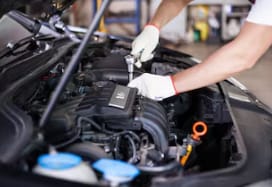
Every vehicle experiences gradual wear with each mile traveled. Daily commuting, changing weather conditions, stop-and-go traffic, and long road trips all place stress on essential components that keep a vehicle operating safely and efficiently. While no vehicle lasts forever, routine maintenance plays an important role in supporting long-term performance and reliability.
Scheduling auto service at recommended intervals gives trained technicians an opportunity to inspect systems, identify developing concerns, and address normal wear before it affects other parts of the vehicle. Small issues that are identified early may be easier to manage than repairs that result from prolonged neglect.
Vehicle manufacturers develop maintenance schedules based on engineering standards and expected operating conditions. Following these recommendations helps support the overall condition of a vehicle throughout its lifespan while providing owners with greater confidence behind the wheel.
Preventing Small Issues From Becoming Larger Repairs
Many mechanical problems develop gradually rather than appearing without warning. Components such as belts, hoses, filters, fluids, brakes, and batteries naturally wear over time. Without regular inspections, these items may continue to deteriorate until they begin affecting surrounding systems.
Routine auto service provides opportunities for technicians to evaluate these components before excessive wear leads to more significant concerns. Replacing aging parts at appropriate intervals often helps maintain consistent vehicle operation while reducing unnecessary strain on related systems.
Preventive maintenance also allows service professionals to detect fluid leaks, uneven tire wear, unusual noises, or warning indicators that may otherwise go unnoticed during everyday driving. Addressing these concerns promptly can help preserve vehicle performance while minimizing unexpected interruptions.
Protecting Engine Performance Over Time
The engine is one of the most complex and valuable systems in any vehicle. Proper lubrication, cooling, filtration, and combustion all work together to produce dependable performance. As fluids break down and filters collect contaminants, engine efficiency may gradually decline if maintenance is delayed.
Routine oil changes, fluid inspections, and manufacturer-recommended maintenance help support proper engine operation throughout changing seasons and driving conditions. Clean fluids allow moving components to function more effectively while reducing unnecessary friction that contributes to premature wear.
Air filters, fuel filters, spark plugs, and cooling system components also contribute to efficient engine performance. Professional inspections help determine when these parts should be replaced based on vehicle mileage, operating conditions, and manufacturer guidelines rather than waiting until performance noticeably declines.
Supporting Safety Through Routine Inspections
Vehicle longevity is closely connected to safety. Brake systems, steering components, suspension parts, lighting, and tires all require periodic evaluation to help maintain dependable operation.
Professional auto service appointments commonly include inspections that assess the condition of these systems. Technicians may identify brake pad wear, tire tread concerns, alignment issues, or suspension components that deserve additional attention before they begin affecting handling or stopping performance.
Seasonal weather can further increase the importance of these inspections. Summer heat, winter temperatures, heavy rainfall, and changing road conditions each place different demands on a vehicle. Preparing for seasonal driving helps support both reliability and overall driving confidence throughout the year.
Preserving Fuel Efficiency and Daily Performance
A properly maintained vehicle often operates more efficiently than one with overdue maintenance. Dirty filters, aging spark plugs, underinflated tires, and deteriorated fluids can gradually reduce overall performance while increasing engine workload.
Routine inspections help ensure major systems continue functioning as intended. Proper tire inflation, balanced wheels, clean filters, and well-maintained engine components all contribute to smoother operation and more consistent fuel efficiency.
According to the U.S. Bureau of Labor Statistics, there are over 794,000 auto service technicians across America. Their training and experience support drivers by helping identify maintenance needs across a wide variety of vehicle makes and models. Regular evaluations performed by qualified professionals contribute to informed maintenance decisions throughout a vehicle's ownership.
Maintaining Vehicle Value Through Consistent Care
Vehicles represent a significant investment for many households. Consistent maintenance not only supports dependable operation but may also contribute to preserving overall vehicle condition over time.
Documented maintenance records often demonstrate that recommended care has been performed consistently. Whether an owner plans to keep a vehicle for many years or eventually trade it in, maintaining service history can provide useful documentation regarding its care.
Regular auto service also helps preserve the appearance and functionality of major mechanical systems. Addressing routine maintenance before problems become more extensive can support long-term ownership goals while helping vehicles remain dependable for everyday transportation.
In addition to mechanical reliability, drivers often appreciate the peace of mind that comes from knowing recommended inspections have been completed. Confidence during daily commuting, family travel, or longer road trips is supported by vehicles that receive ongoing professional attention.
Planning Maintenance Around Manufacturer Recommendations
Every vehicle has unique maintenance requirements based on its design, engine type, mileage, and intended use. Manufacturer maintenance schedules outline recommended intervals for inspections, fluid replacements, filter changes, and other important services that support long-term performance.
Driving habits may also influence maintenance needs. Frequent short trips, towing, mountain driving, extended idling, or operation in extreme temperatures can place additional demands on vehicle systems. Qualified technicians consider these factors when evaluating maintenance recommendations.
Keeping up with scheduled auto service allows owners to stay ahead of normal wear while reducing the likelihood of unexpected mechanical issues. Rather than reacting to breakdowns, routine appointments support a proactive approach that benefits both vehicle performance and long-term reliability.
Choosing Professional Care for Long-Term Reliability
Extending the life of a vehicle involves more than simply driving fewer miles. Consistent maintenance, timely inspections, and attention to manufacturer recommendations all contribute to dependable performance throughout years of ownership. Professional technicians have the equipment and training needed to evaluate vehicle systems, recommend appropriate maintenance, and identify developing concerns before they become more significant.
Whether a vehicle is new or has accumulated many miles, regular auto service remains an important part of protecting its long-term value, safety, and performance. Drivers seeking knowledgeable vehicle care and ongoing maintenance support can rely on Young Automotive Group to help keep their vehicles operating at their best for the road ahead. By partnering with experienced automotive professionals, drivers can receive guidance tailored to their vehicle’s needs and driving habits.
Regular inspections and recommended maintenance services help identify potential concerns early while supporting dependable transportation throughout every season. Maintaining a consistent service schedule can also provide greater confidence during daily commutes and longer journeys by helping preserve reliable performance for years to come.
